 LeLe TV
After many people have first tried a Yoshiwara soapland or a hotel-accompaniment service, they want to know where outcall, which exists in many places, actually sits, and why some people would rather have someone come to them. Below is a rundown by Lele TV, based on public industry data, of outcall (デリヘル / 出張ヘルス), so you can first see clearly how it differs from a soapland. If anything is unclear, you can also ask Lele TV customer service.
1. What outcall is, and how it developed
Outcall is short for デリバリーヘルス (Delivery Health), also called デリヘル or 出張. It appeared from the late 1980s to the early 1990s. Earlier ヘルス was mostly the in-shop type you had to visit (ファッションヘルス).
After the 1999 major revision of the Law on Control and Improvement of Amusement Businesses (the fuuzoku law), no-shop dispatch-type services were brought under regulation. Shops found that sending someone to a hotel or residence named by the guest meant less rent for a shop front, and for the guest it was also more private. Outcall then increased quickly.
In the 2000s, mobile phones and online booking gradually became common, and outcall became a very common form in Japanese fuuzoku, with fairly wide coverage as well.
2. Industry figures compiled as of 2026
According to several public reports on the fuuzoku industry (2024-2025 data, compiled through 2026):
- Market size of Japan's sexual fuuzoku industry as a whole: about 5 trillion to 5.6 trillion yen (a scale you can put alongside department stores, auto repair, and similar industries).
- Of which デリヘル (outcall type): a market size of about 2.4 trillion to 2.5 trillion yen, a share close to 45%.
- Compared with other common types:
- Yoshiwara soapland (ソープランド): about 980 billion yen (under 1 trillion, around 40% of outcall)
- Ordinary in-shop ヘルス / イメクラ: about 670 billion yen
- ピンサロ (oral shops): about 640 billion yen
On these figures, outcall is currently the largest type by size. The number of shops is also clearly larger: in Tokyo alone, registered shops related to outcall number in the thousands, and nationwide the no-shop type is even more, with talk of more than 10,000; the article mentions about 100-120 Yoshiwara soaplands in all of Tokyo, while the table below writes about 130. The two figures are not exactly the same, and both are kept here as in the original, for you to compare.
3. Yoshiwara soaplands compared with outcall
| Item | Yoshiwara soapland (ソープ) | Outcall (デリヘル) |
|---|---|---|
| Market size | about 980 billion yen | about 2.4-2.5 trillion yen (2.5 times+) |
| Number of shops / service points | around 130 in Yoshiwara | tens of thousands nationwide (spread across Tokyo) |
| Place of service | you have to go to the shop | sent to a hotel or residence |
| Intercourse items | in the trade, soaplands are usually seen as a type that can offer this kind of item | official rules do not allow it |
| Flexibility | low | high (can be booked 24 hours) |
| Average unit price (60 min) | 35,000-80,000 yen | 20,000-45,000 yen |
4. Trends visible in 2026 (bookings by foreigners are a little easier than before)
- Higher-end outcall is increasing: shops at 35,000 yen and above have grown, mainly for business guests and foreigners, with more weight on looks and how you spend time together.
- The foreigner market has grown: nationwide there are already about 1,000 outcall shops that clearly write "foreigners OK" (about 11%). The unit price for foreign guests is usually 50%-100% higher than for Japanese guests.
- Online booking is more common: CityHeaven, YOASOBI HEAVEN, and Line through a reliable agent are channels many people use.
- 24-hour service: outcall is relatively unfussy about time, and it may still be possible to book at 3 a.m.
The main reasons outcall is fairly popular are that you do not have to go out, and that it is relatively more private. The fee for a single session is often no lower than a soapland, and sometimes higher. What you get in return is convenience and flexibility. Some regulars use soaplands and outcall separately: they go to Yoshiwara when they want a more complete in-shop flow, and choose outcall when they only want to meet at a hotel.
5. Common pluses and limits of outcall
Pluses:
- Fairly convenient: you can wait at the hotel, suitable for business trips, or for people who would rather not make a trip to Yoshiwara for now, and you do not have to go out yourself
- More private: you do not have to appear in a fuuzoku district, you meet at a hotel, and the chance of being seen by others is smaller
- Flexible hours: quite a few shops are open 24 hours, you can still book at 3 a.m., and you can also book late at night
- A fairly wide choice: many people are working in Tokyo in a single day, and the types are mixed (married women, international students, different figures, and also girls on a more high-end line)
- The setting is more like a private meeting: the whole time is in a room you already know, and some people find that more relaxing
Limits and risks (you need to know these before booking):
- The fee is often higher: you usually also pay transport and an outcall fee, about 30-50% more than the same length of time in a shop
- The service is less steady than in a shop: there is no fixed water-bed flow like a soapland, and a lot of the time it is fairly regular oral and hand service
- More uncertainty: you may run into last-minute cancellations, a larger gap from the photos, and the like; some people also feel the chance of being checked on the way is a little higher than in a shop
- Foreigners need extra confirmation: some shops add a foreigner fee, and you may also run into only average attitudes
- There is no complete in-shop flow: if you care about the air mattress, lubrication massage, and a more complete in-shop arrangement, a soapland is still a better fit
- Official rules do not allow intercourse items: this is the biggest difference between outcall and a soapland. Shops cannot write this kind of item as a service they can provide. Because this limit exists in the rules, the actual experience sometimes does not match what was expected, and disputes are also easier. Lele TV will not give guidance on how to talk about items outside the rules.
5. Website and shop entrances
- cityheaven: the one Japanese people use most, and also fairly popular. The downside is that it is mainly aimed at Japanese prices, with less information related to foreigners.
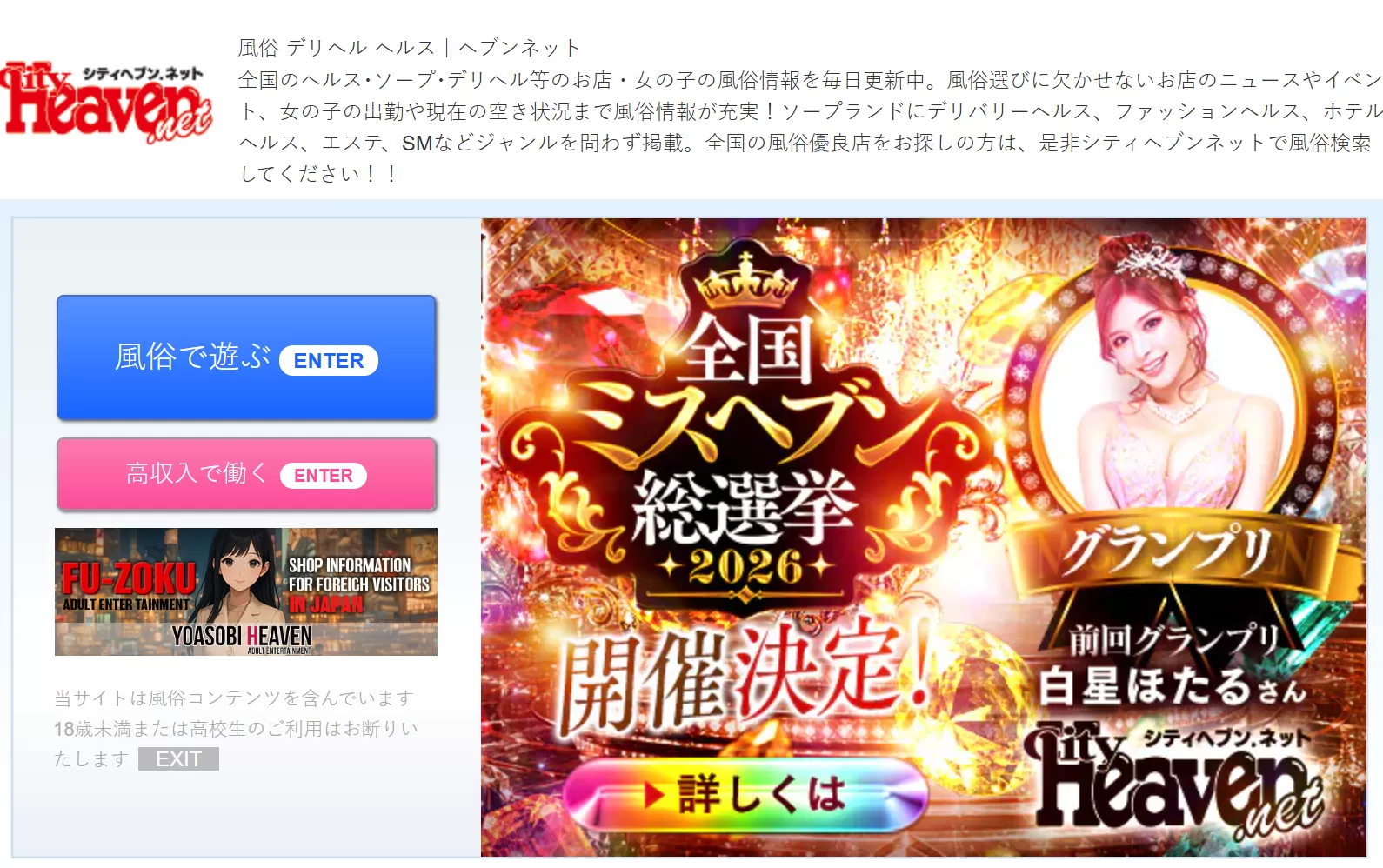
- yoasobi-heaven: views from foreigners are also fairly high. The downside is that overall prices lean expensive.
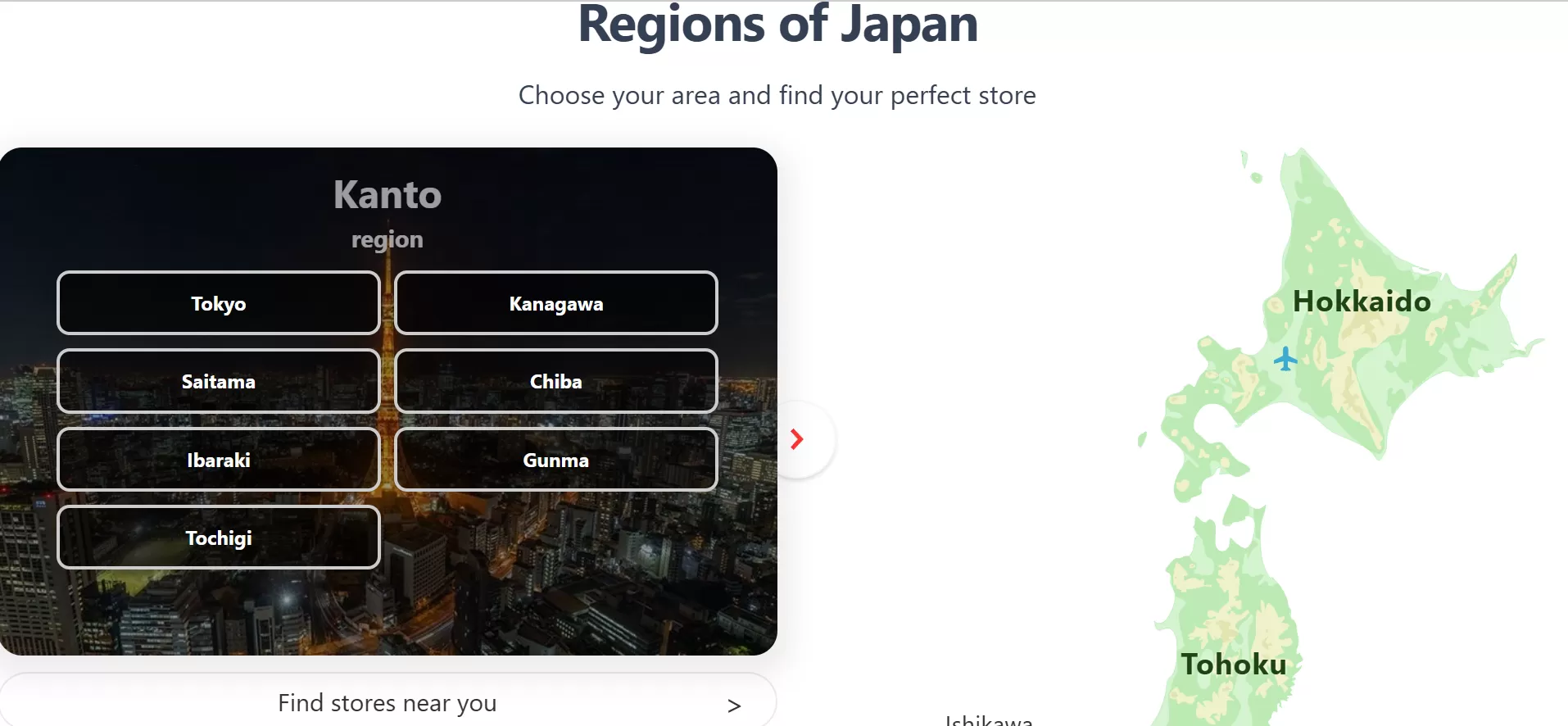
- leletv123.cc: the introductions are fairly detailed, and there is also Lele TV's own high-end outcall escort. Relatively affordable, quality fairly steady, the downside being that the scale is a bit smaller.

Looking at it overall, outcall is a better fit for people who want to travel less, for example on a short business trip, or for people who would rather not go out for now; if you care more about a complete in-shop flow, a premium Yoshiwara soapland is a better fit. If you want to know about Lele TV's own luxury escort, you can also first look at the entrance below.
If you want to know about a specific arrangement, you can contact Lele TV and talk it through. If you are still choosing between a soapland and outcall, you can also first use this page as a comparison.