 LeLe TV
Today I'll be explaining how host clubs and hostess clubs work.
When it comes to these two, many people feel very familiar with them. Perhaps you work in Japan and your boss took clients out for a dinner, where a hostess accompanied you for a few drinks. Or maybe you were strolling through certain streets in Tokyo or Osaka and were dazzled by the beautiful women coming in and out of the establishments. It seems like every movie or news report mentions something about this, but when you think carefully, it still feels vague—what exactly do they do? How do they operate? What are you actually playing around with when you go there? Why do the Japanese love going there so much?
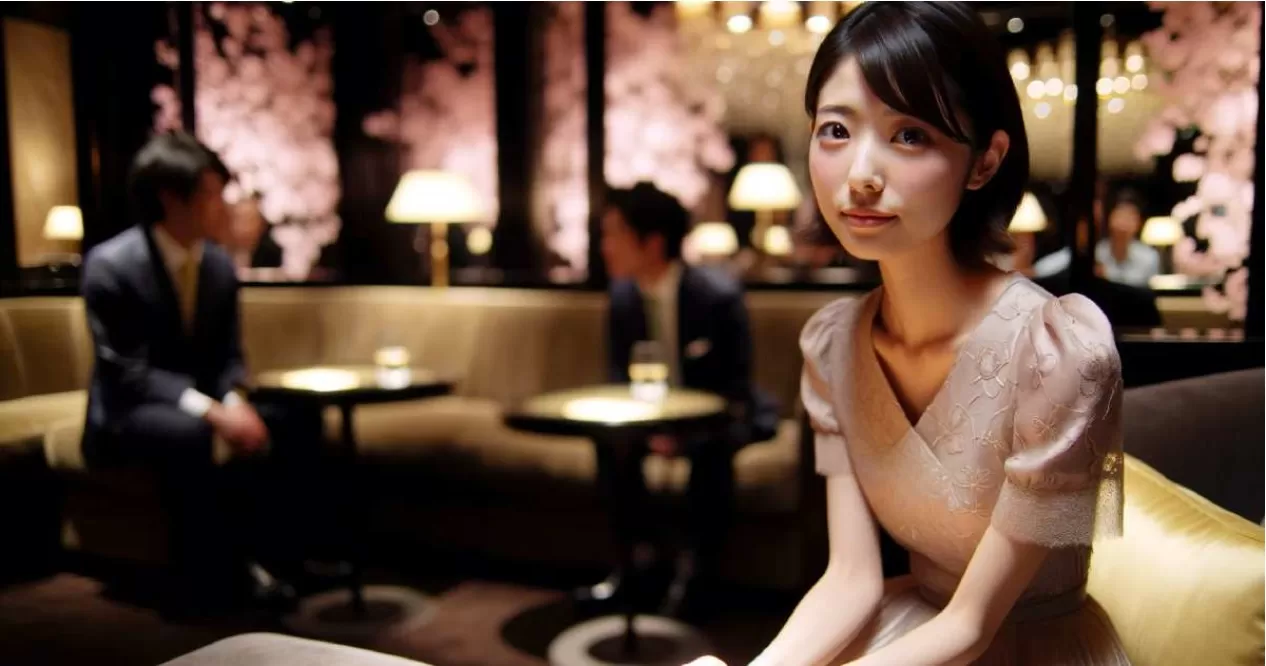
#JapanHostess #JapanNightlife
Ecosystem
Whether it's a hostess club (known as "kyabakura" in Japanese) or a host club ("hosuto kurabu"), legally speaking, both fall under the category of pleasure establishments. Soapland can also be a pleasure establishment, and so can those that offer food and emotional value—these are also classified as pleasure establishments, though their expression is more implicit. Behind their luxurious packaging and strict rules, the entry barriers are raised even higher, perfectly matching the Japanese tendency toward a slightly reserved way of expressing themselves, as well as the Eastern cultural values of subtlety and indirectness (the concept of "atmosphere" is given to you, and how to enjoy it is left to your own interpretation). The hierarchy within hostess clubs (host clubs) varies greatly—ranging from top-tier private clubs in Roppongi (such as the "mother" figures there with degrees from universities like the University of Tokyo, fluent in eight languages, whose stories are often reported), to traditional-style establishments frequented by old-money families in Kyoto and Osaka, complete with courtyards and kimono, where everything exudes sophistication and elegance. Even small clubs located on the second floor of stations, with just a couple of hostesses, selling drinks, can also be considered hostess clubs.
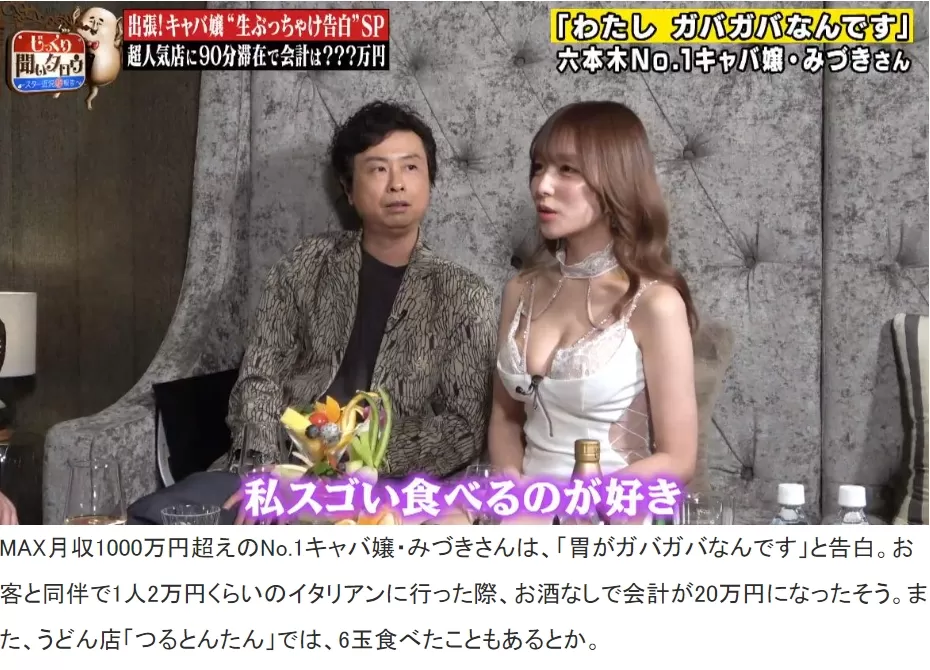
Additionally, with the capital operations in recent years, media influence and promotion, and the frequent introduction of various programs—such as titles like "Kanto's No.1 hostess," "Kansai's No.1," "Kabukicho's first host"—and concepts like spending 100 million yen in one night, the industry has become highly branded and star-like. This has led many young Japanese people into a state of admiration and aspiration. The general public has also lost their initial resistance and hesitation toward this industry, even normalizing it (for example, it's considered natural for husbands or boyfriends to accompany clients at hostess clubs, or for colleagues to go out on business with their bosses).
- From an adult-entertainment point of view, for high-end clients, being able to enjoy a hostess who is both popular and beautiful creates a much more interesting experience than the straightforward service found in regular establishments.
- Hostess clubs also offer tax invoices, which many people use for business expense deductions. The industry has become highly competitive, where both appearance and emotional intelligence are essential qualities for hostesses.
- They are also ideal for business meetings and entertaining clients—beautiful women and fine wine.
How to Play
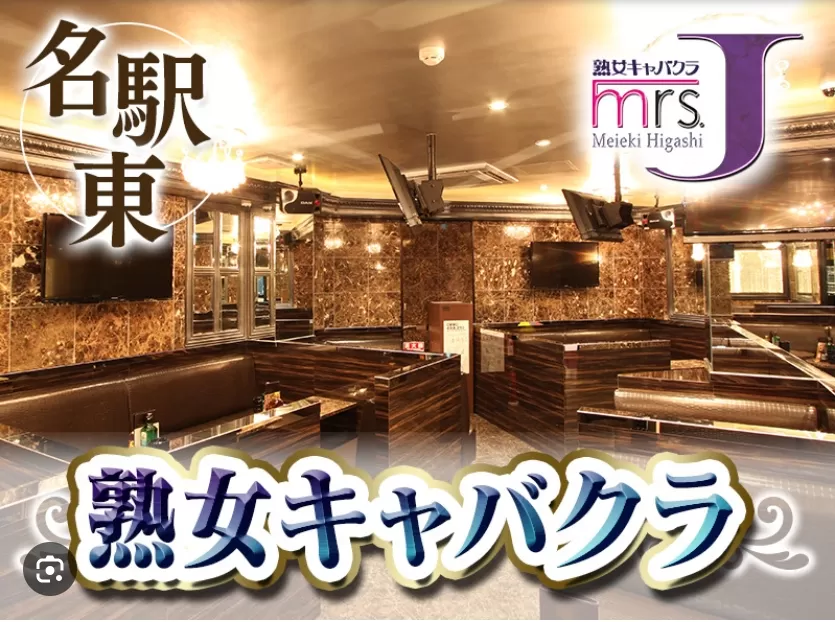
Most hostess clubs operate on this system. To put it simply, when guests enter, they usually start with a casual drink package (for example, 6,000 yen for one person) valid for 60 minutes. After paying this fee (which is settled at the end of your visit), you are invited into the main hall (as shown in the image). Of course, many hostess clubs also offer private rooms (additional charge).
The guest's set plan includes some basic alcoholic beverages (beer, inexpensive sparkling wine, and whiskey) that can be consumed freely without additional charges. As soon as you are seated, a hostess will come to sit beside you (this hostess is sent by the shop's black uniform staff, not multiple hostesses coming for you to choose from). She will serve tea and pour drinks, engage in conversation, and do her best to keep your company because she needs to rotate tables. If you nominate a specific hostess to stay with you, you must pay a nomination fee. If you don't make a decision when the time slot ends, another hostess will come to replace her.
- When a hostess arrives, you can choose to buy her a drink. The drinks the hostess has are something you need to pay for (they also earn commission from this). Usually, a drink for a hostess costs around 1,500 yen.
- Besides the drinks included in the basic package, any other drinks the guest wants to have will be charged separately.
- If you come to the hostess club specifically to spend time with a hostess, it's simple - just spend money on her. But if you're just here to have a drink with your buddies, then you don't need to pay too much attention to her.
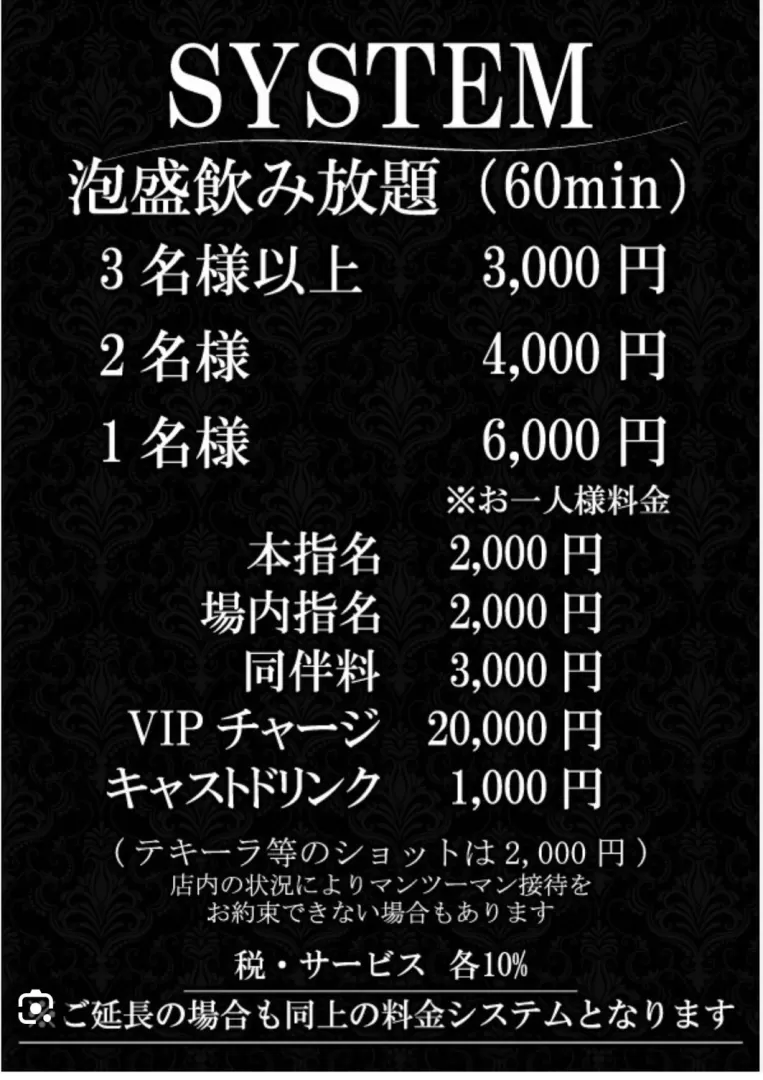
The surface-level gameplay is these things: you spend money, and the hostess accompanies you with drinks.
So what are the hidden rules?
(time or money)
You spot a hostess you like, and then you have to engage in what we call a tug-of-war. You throw out some conditions—like negotiating the price directly with her, or perhaps the hostess will hint that you should treat her to bottles worth several hundred thousand yen, or go out together after work. Every hostess has her own personality and threshold. Some hostesses have inherently high standards, requiring you to gradually win them over with time. These hostesses are also shrewd; the better ones know well that they shouldn't easily let you get what you want. Once they do, guests often stop spending. A large portion of those luxury bags at resale shops like Daikokuya are gifts bought by guests to please the hostesses.
So honestly, I really don't recommend this entertainment option to short-term visitors to Japan. If you go, you'll find it hard to communicate even if you're there to have fun—this place is mainly about drinking and flirting, and communication is tiring. There are too many implications, and it's hard to get things done. The hostesses might also take advantage of you, especially if you spend hundreds of thousands of yen on drinks and end up paying the bill when you're drunk and confused. The most beautiful hostesses in this circle know their worth well and usually won't go out with clients for the first time. For example, two friends of mine spent 1.5 million yen in Roppongi and didn't bring back a single hostess. So everyone can see what's going on here. It's okay to go for a drink and experience it, but there's no need to necessarily win over the hostesses there. This requires a lot of money and time. As they say, "everyone has their specialty"—doesn't soapland or outcall service smell better?
If you are unsure about the itinerary or details, you can consult LeLe TV.
FAQ
How do hostess clubs charge?
Usually a set price with free-flow basic drinks, for example JPY 6,000 per person for 60 minutes, paid at the end.
How much is a drink for the hostess?
You pay for her drinks, usually about JPY 1,500 each.
Can I choose a hostess?
Yes, but choosing one to stay with you costs a nomination fee. Otherwise a different hostess rotates in when the time is up.
Is it worth it on a short trip?
Honestly, not really: the language barrier makes it tiring, and you may be pushed into pricey drinks. Going once for a drink is fine.